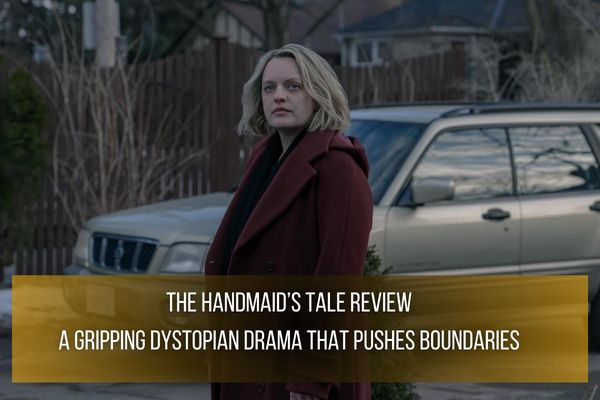
The Handmaid’s Tale, based on Margaret Atwood’s iconic novel, has become one of the most talked-about TV series of the last decade. With its haunting portrayal of a dystopian society where women are stripped of their rights, the show captivates audiences with its intense storytelling, stellar performances, and thought-provoking themes. However, despite its critical acclaim, the series has received mixed reviews as it progresses through its seasons. This review combines perspectives from three different viewers, highlighting the show’s strengths and weaknesses while providing an in-depth look at what makes The Handmaid’s Tale both compelling and frustrating.
A Strong Start and Consistent Excellence
From its premiere, The Handmaid’s Tale set a high standard for dystopian drama. The show’s initial seasons captivated audiences with their chilling depiction of Gilead, a totalitarian society that subjugates women. Elisabeth Moss, as the protagonist June Osborne, delivers a powerful performance that anchors the series. Her portrayal of June’s journey from a submissive Handmaid to a fierce rebel is both raw and nuanced, earning Moss numerous awards and nominations.
One reviewer states, “The Handmaid’s Tale is a lot better than I expected it to be. It has an 8.4 rating for a reason.” This sentiment captures the general consensus among viewers who were initially drawn to the show’s unique premise and excellent execution. The series’ ability to blend intense personal stories with broader social commentary has resonated with audiences worldwide, making it a must-watch for fans of dark, thought-provoking television.
Pacing Issues and Overstaying Its Welcome
However, as The Handmaid’s Tale progresses, several issues have emerged, causing frustration among its viewers. One major criticism is the show’s pacing. Despite its gripping storyline, the narrative often slows down significantly, especially in the later seasons. Episodes filled with long pauses and repetitive close-ups on characters’ faces—particularly June’s—can make the show feel stagnant at times. As one reviewer mentions, “The biggest problem with it is it’s gone on for too long. It probably should have ended a season or two ago.”
This critique is echoed by another reviewer who notes, “There is no doubt that some of the show is excruciatingly slow but it’s worth it to stick with it.” The series’ tendency to drag out certain plotlines and include filler episodes has been a recurring point of contention. While these slow moments are often used to build atmosphere and character depth, they can also test the patience of viewers who crave a faster-paced narrative.
Emotional Impact and Relatability
Despite its flaws, The Handmaid’s Tale succeeds in evoking powerful emotions. The series doesn’t shy away from depicting the brutal realities of Gilead, often putting its characters through harrowing experiences that are difficult to watch. This unflinching portrayal of trauma, oppression, and resistance is what sets the show apart, but it also makes it an emotionally taxing experience for viewers.
One reviewer describes the show as “one of the most infuriating, depressing, and most difficult to watch shows I’ve ever seen.” The constant barrage of suffering and injustice can feel overwhelming, and the lack of significant victories for the characters often leaves viewers feeling helpless and frustrated. Yet, this is precisely what makes the show so impactful—it mirrors the real-life struggles of fighting against oppressive systems.
Another viewer shares a deeply personal connection to the series, stating, “As an individual who was raised in an extremely strict, religious setting and experienced various forms of abuse, this show truly resonated with so much of what I’ve gone through.” This personal testament underscores the show’s ability to connect with those who have faced similar hardships, making The Handmaid’s Tale more than just a story—it becomes a reflection of real-world experiences and emotions.
A Flawed Yet Unforgettable Experience
While The Handmaid’s Tale has faced criticism for its pacing and extended storyline, it remains a powerful exploration of resilience and the human spirit. The show’s strengths—its outstanding performances, thought-provoking themes, and emotional depth—far outweigh its weaknesses. Despite moments of frustration, viewers often find themselves returning to the series, eager to see how June’s journey unfolds.
As one reviewer puts it, “Having said all that, I still really enjoy this show. I usually wait until all the episodes are released and then binge the entire season over a weekend.” This binge-worthy quality, coupled with the series’ ability to spark conversation and reflection, solidifies The Handmaid’s Tale as a significant cultural touchstone.
The Handmaid’s Tale has garnered a loyal fanbase and critical acclaim, but it is not without its detractors. The series’ portrayal of a theocratic society where women are subjugated as Handmaids has resonated deeply with viewers, particularly those who have faced similar forms of control and abuse in their own lives. However, the show’s later seasons have been criticized for pacing issues and an overreliance on certain storytelling techniques.
An Unflinching Look at Oppression
The show’s depiction of Gilead is both terrifying and compelling, capturing the dangers of unchecked power and the impact of extremism on society. June’s transformation from a victim to a revolutionary is a central theme, and her journey is portrayed with raw honesty by Elisabeth Moss. Yet, the show’s relentless focus on her suffering can be overwhelming for viewers.
One reviewer aptly summarizes this struggle: “You keep waiting for things to turn into June’s favor or all the terrible people in the show to get what they have coming to them, but it just never happens.” This sense of hopelessness is a deliberate choice by the creators to reflect the harsh realities faced by those living under oppressive regimes. While this approach is effective, it also makes the show emotionally draining.
A Call for a Satisfying Conclusion
As The Handmaid’s Tale nears its end, many fans hope for a conclusion that honors the characters’ journeys and provides a sense of closure. “It’s probably time for the show to come to an end soon, and I hope it has a satisfying ending,” one reviewer notes. After several seasons of heartbreak and struggle, viewers are eager for a resolution that offers at least a glimmer of hope.
Ultimately, The Handmaid’s Tale review stands as a powerful commentary on resistance, resilience, and the fight for freedom. Despite its flaws, the show’s impact on audiences is undeniable, and its themes remain as relevant as ever in today’s world.
