
Breast cancer, a prevalent and multifaceted disease, affects countless women worldwide. Understanding its nature, risk factors, symptoms, diagnosis, treatment options, and prevention strategies is crucial for promoting early detection, improving outcomes, and ultimately saving lives.
This comprehensive guide delves into the intricacies of breast cancer, providing valuable insights into its causes, signs, and the latest advancements in its management. Empower yourself with knowledge and join the fight against this formidable disease.
Breast Cancer Overview
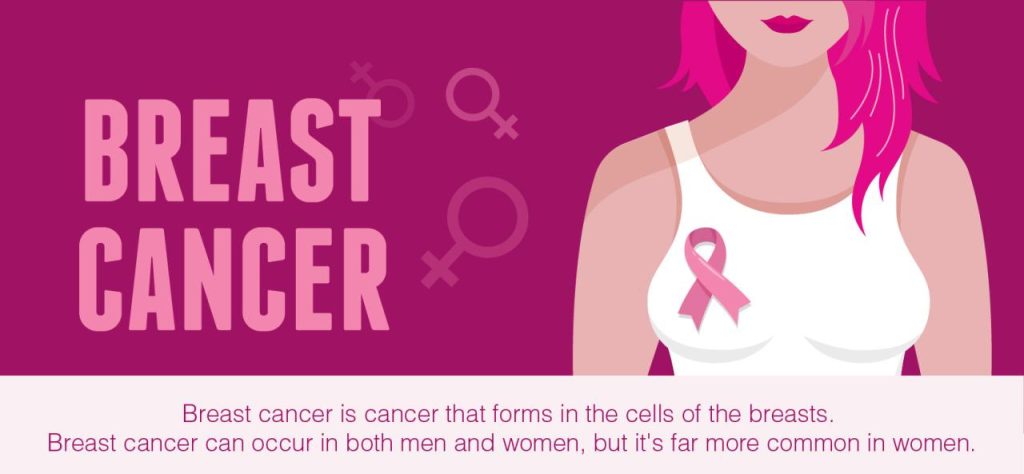
Breast cancer is a malignant tumor that develops in the breast tissue. It is the most common cancer among women worldwide, with an estimated 2.3 million new cases diagnosed in 2020.
Breast cancer can occur in both men and women, but it is much more common in women. The risk of developing breast cancer increases with age, and most cases occur in women over the age of 50. However, breast cancer can occur in younger women as well.
Types of Breast Cancer
There are many different types of breast cancer, but the most common type is invasive ductal carcinoma (IDC). IDC starts in the milk ducts of the breast and then spreads to the surrounding breast tissue. Other types of breast cancer include:
- Invasive lobular carcinoma (ILC): This type of breast cancer starts in the lobules of the breast, which are the milk-producing glands.
- Ductal carcinoma in situ (DCIS): This type of breast cancer is confined to the milk ducts of the breast and has not spread to the surrounding breast tissue.
- Lobular carcinoma in situ (LCIS): This type of breast cancer is confined to the lobules of the breast and has not spread to the surrounding breast tissue.
- Paget’s disease of the breast: This type of breast cancer starts in the nipple and then spreads to the surrounding breast tissue.
Risk Factors and Causes: Breast Cancer
Breast cancer is a complex disease with a variety of known risk factors. Understanding these factors can help individuals make informed decisions about their health and reduce their risk of developing the disease.
Genetics and family history play a significant role in breast cancer development. Women who have a close relative (mother, sister, or daughter) with breast cancer are at an increased risk of developing the disease themselves. This risk is further elevated if the relative was diagnosed at a young age or if multiple family members have been affected.
Lifestyle factors can also contribute to breast cancer risk. These include:
Age
- The risk of breast cancer increases with age.
- Most breast cancers are diagnosed in women over the age of 50.
Obesity
- Obesity is associated with an increased risk of breast cancer, especially after menopause.
- Excess weight can lead to higher levels of estrogen, which can promote breast cancer growth.
Alcohol Consumption
- Excessive alcohol consumption can increase the risk of breast cancer.
- Alcohol can damage DNA and interfere with the body’s ability to repair damaged cells.
Hormone Replacement Therapy (HRT)
- Long-term use of HRT, particularly combined estrogen and progestin therapy, can increase the risk of breast cancer.
- HRT is used to relieve symptoms of menopause, such as hot flashes and night sweats.
Radiation Exposure
- Exposure to high levels of radiation, such as from X-rays or radiation therapy, can increase the risk of breast cancer.
- Radiation can damage DNA and lead to the development of cancer.
It’s important to note that having one or more of these risk factors does not guarantee that a woman will develop breast cancer. However, understanding these factors can help women make informed decisions about their health and take steps to reduce their risk.
Signs and Symptoms

Breast cancer often presents with a range of signs and symptoms that can vary depending on the stage and type of cancer. It’s crucial to be aware of these signs and to seek medical attention promptly if you experience any changes in your breasts.
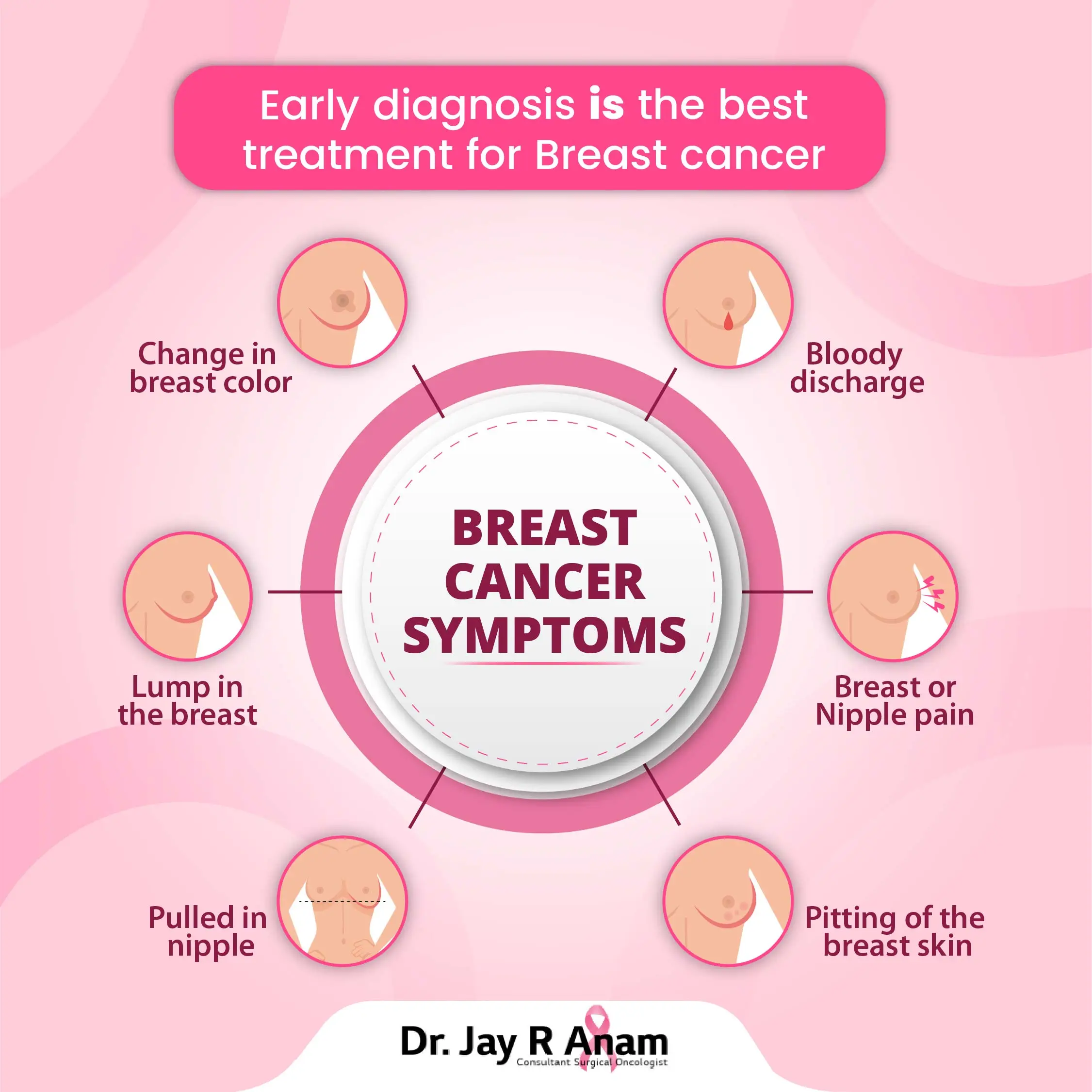
One of the most common signs of breast cancer is a lump or thickening in the breast or underarm area. Other signs may include changes in the size, shape, or appearance of the breast, such as swelling, dimpling, or nipple retraction. Additionally, you may experience pain or tenderness in the breast or nipple, or a discharge from the nipple, particularly if it’s bloody or clear.
Importance of Early Detection and Self-Examinations
Early detection of breast cancer is vital for improving treatment outcomes and survival rates. Regular self-examinations and mammograms play a significant role in early detection.
Self-examinations involve checking your breasts for any changes in size, shape, or texture. It’s recommended to perform self-examinations monthly, particularly after your menstrual period when your breasts are less tender.
Role of Imaging Tests in Breast Cancer Diagnosis
Imaging tests, such as mammograms, ultrasounds, and MRIs, are crucial in diagnosing breast cancer. Mammograms use X-rays to create images of the breast tissue, helping to identify abnormalities or suspicious areas. Ultrasounds use sound waves to produce images of the breast, allowing doctors to differentiate between solid and fluid-filled masses.
Magnetic resonance imaging (MRI) uses a magnetic field and radio waves to create detailed images of the breast. It’s often used as a complementary test to mammograms, particularly for women with dense breast tissue or those at high risk of breast cancer.
Breast cancer, a prevalent concern among women, has garnered attention from notable figures such as Winnie Harlow , a model and vitiligo advocate. Her platform has enabled her to raise awareness about the disease and its impact on individuals and society.
By sharing her experiences and lending her voice to the cause, Winnie Harlow has contributed to the ongoing fight against breast cancer, highlighting its importance and the need for continued research and support.
Diagnosis and Treatment
Breast cancer diagnosis and treatment involves a multidisciplinary approach, with various procedures and options available. Accurate diagnosis is crucial for determining the stage and type of cancer, guiding appropriate treatment decisions.
Diagnostic Procedures
Confirming a breast cancer diagnosis typically involves a combination of the following procedures:
- Clinical Breast Exam: A physical examination by a healthcare professional to check for lumps, changes in breast shape or size, or other abnormalities.
- Mammogram: An X-ray imaging technique used to detect breast abnormalities, including tumors and calcifications.
- Breast Ultrasound: A non-invasive imaging technique that uses sound waves to create images of breast tissue, helping differentiate between solid and fluid-filled masses.
- Biopsy: A procedure to remove a small sample of breast tissue for laboratory analysis to confirm the presence of cancer cells.
Treatment Options
Breast cancer treatment depends on various factors, including the stage and type of cancer, the patient’s overall health, and personal preferences. Treatment options may include:
Surgery
Surgery is often the primary treatment for breast cancer, with the goal of removing the cancerous tissue while preserving as much healthy breast tissue as possible. Types of surgery include:
- Lumpectomy: Removal of the tumor and a small margin of surrounding healthy tissue.
- Mastectomy: Removal of the entire breast.
Chemotherapy
Chemotherapy uses drugs to kill cancer cells throughout the body. It can be given orally or intravenously and is often used before or after surgery to reduce the risk of cancer recurrence.
Radiation Therapy
Radiation therapy uses high-energy X-rays or other forms of radiation to target and destroy cancer cells. It can be delivered externally or internally (brachytherapy).
Breast cancer, a prevalent disease affecting countless women globally, has spurred significant research and medical advancements. As we delve into the realm of video games, we find that even in fantastical worlds like Baldur’s Gate 3 , the impact of breast cancer is acknowledged.
Within the game’s immersive narrative, players encounter characters who have been affected by this disease, highlighting the universal struggle against breast cancer.
Targeted Therapies
Targeted therapies are drugs that specifically target certain molecules or proteins involved in cancer growth and survival. These therapies are often used in combination with other treatments.
Prognosis and Survival
Breast cancer prognosis and survival rates vary depending on several factors, including the stage of the cancer at diagnosis, the type of breast cancer, and the individual’s overall health.
Factors Influencing Survival Rates
- Stage of cancer: The earlier the stage of breast cancer at diagnosis, the higher the survival rate.
- Type of breast cancer: Some types of breast cancer, such as estrogen receptor-positive (ER+) breast cancer, have a better prognosis than others.
- Age: Younger women with breast cancer tend to have a better prognosis than older women.
- Overall health: Individuals with other health conditions may have a lower survival rate than those who are otherwise healthy.
Importance of Follow-up Care and Monitoring
Regular follow-up care and monitoring are crucial for breast cancer survivors. These appointments allow doctors to check for any signs of recurrence and to monitor the patient’s overall health. Follow-up care may include physical exams, mammograms, blood tests, and other tests as recommended by the doctor.
Prevention and Early Detection
Breast cancer prevention involves reducing the risk of developing the disease. Early detection through screening programs can significantly improve the chances of successful treatment and survival.
Lifestyle Modifications
- Maintain a healthy weight.
- Engage in regular physical activity.
- Adopt a balanced diet rich in fruits, vegetables, and whole grains.
- Limit alcohol consumption.
- Quit smoking.
Risk-Reducing Medications
- Tamoxifen and raloxifene: For women at high risk due to family history or genetic mutations.
Screening and Early Detection
Regular mammograms and breast exams are crucial for early detection of breast cancer. The American Cancer Society recommends annual mammograms starting at age 40 for women at average risk.
Recommendations for Women at Different Risk Levels, Breast cancer
- Average risk: Annual mammograms starting at age 40.
- Increased risk: More frequent mammograms, breast MRIs, or other screening methods may be recommended.
- High risk: Risk-reducing medications, increased screening, and close monitoring may be advised.
